
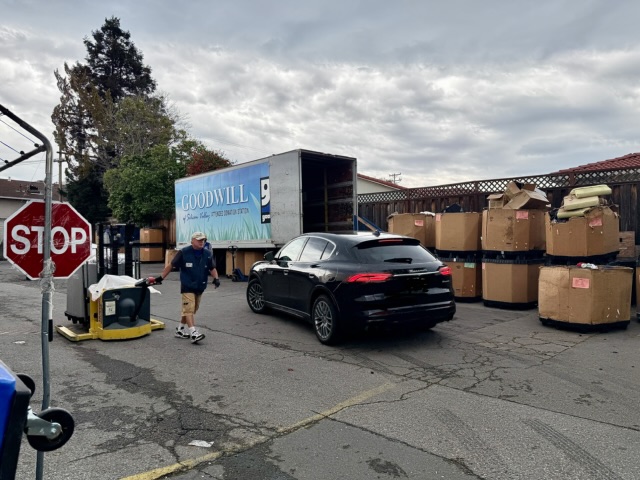
Donation drop off at Goodwill sells large bins of clothes “As is”
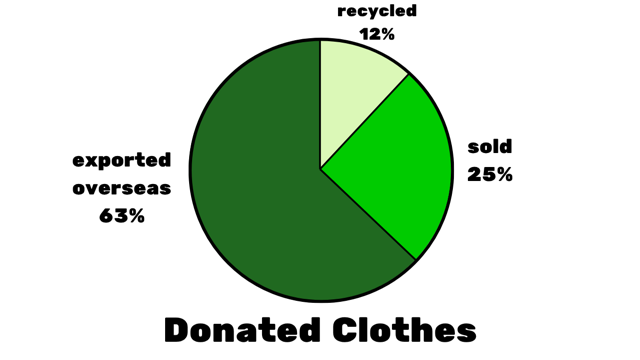
Donating clothes is an easy, environmental way to get rid of old clothes and declutter your closet. While thrift stores intend to promote sustainability and extend the life of clothing, only about 25% of donated clothes are actually placed on racks to be sold in thrift stores.
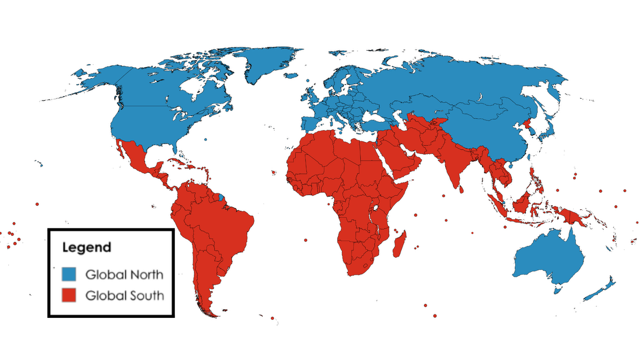
The global secondhand market is split into two regions. The Global North refers to wealthy nations including the United States, Canada, Australia, Japan, South Korea, and Europe. While the Global South refers to all underdeveloped or developing countries in Africa, Latin America, Asia and Oceania.
In the Global North, the staggering amount of donated clothes far outweighs the small number of secondhand buyers. So damaged, unsold, and unsellable donated clothes are exported to the Global South, where they negatively impact the receiving nation’s economy, health, and environment. The journey of donated clothing unearths a disturbing truth.
Origin of thrift stores
Thrifting emerged in the late 19th century during the Industrial Revolution, when people gained access to machines able to mass produce clothing. As clothing became more accessible, charities began to collect unwanted clothing to give to the poor.
Buying used clothes was originally seen as shameful because it was associated with financial hardship. But when the Methodist ministers needed funding to serve the poor and the unemployed, they resorted to reselling used clothes. Later, they established the first nonprofit thrift shops, The Salvation Army (1865) and Goodwill (1902).
Since then, many other thrift shops sprouted around the world. The charitable ones continue to provide jobs for the handicapped and underserved while the rest are for profit.
Thrifting has grown more popular and profitable since 2019, even with the affluent in Europe and South Korea. Secondhand clothing is more affordable than new clothing, especially during inflation and economic uncertainty. It’s a practical option if you need short-term outfits. My mom used to buy our Halloween costumes from Goodwill.
Younger consumers like me now also frequently thrift due to the influence of social media, which repopularized vintage clothes and past fashion trends. One Silicon Valley teen scored a vintage Louis Vuitton pouchette for only a hundred dollars.
Also, online secondhand resellers such as Depop and Poshmark made thrifting widely available to more consumers because it’s so easy to browse and shop on a device without leaving home. Even Goodwill lists its items on Amazon.
“Fast fashion has enabled people to purchase more, bringing down the pricing of clothing and making it accessible for more people at a quicker rate and a cheaper price,” said Dr. Amy Williams, University of Southern California adjunct professor in the Masters of Sustainability Management Program. “This has driven some people into purchasing secondhand clothing, because they’re looking for better value at a lower price than what could be found at the retail market for a first price.”
What happens to donations
Every year, billions of pounds of clothes are donated globally. After the winter and summer seasons, our family donates our outgrown clothes.
In 2021, Goodwill received 5.7 million pounds (2,850 tons) of donations, enough to fill 114 standard 20-foot shipping containers. However, half are damaged or in poor condition. After the donations are collected and sorted, only a quarter are good enough to put on racks for sale in thrift stores.
“People are actually donating substandard products such as things that are dirty, have been torn, or are unwearable,” Williams said. “The idea of donating makes people feel good, but they’re not donating of quality.”
Items get only three weeks on the sales floor. The unsold and unsellable clothes are then sent to recycling, the landfill, or the Global South.
You would think we can still recycle inferior used clothes. But many garments are made from synthetics like polyester or blended fabrics, while most recycling systems can only shred or respin natural fibers like pure cotton or wool into thread. Only 12% of donations fit this requirement, so the rest are discarded.
Two thirds of unsold donated clothes are sent to the landfill. It’s higher in the United States, where 85% of textiles end up in the landfill annually. The majority of unsold donations is exported to developing nations like the Philippines. The most common destinations are Ghana, Kenya and Nigeria.
“The process is that the bales of clothing arrive and locals will buy those bales, blind, because you can’t really see what’s in the middle,” said Lynda Grose, Professor of Fashion Design and Critical Studies at California College of the Arts. “They break them open, and most of the garments aren’t usable, but they generally sell them in the local markets.”
Secondhand pollution
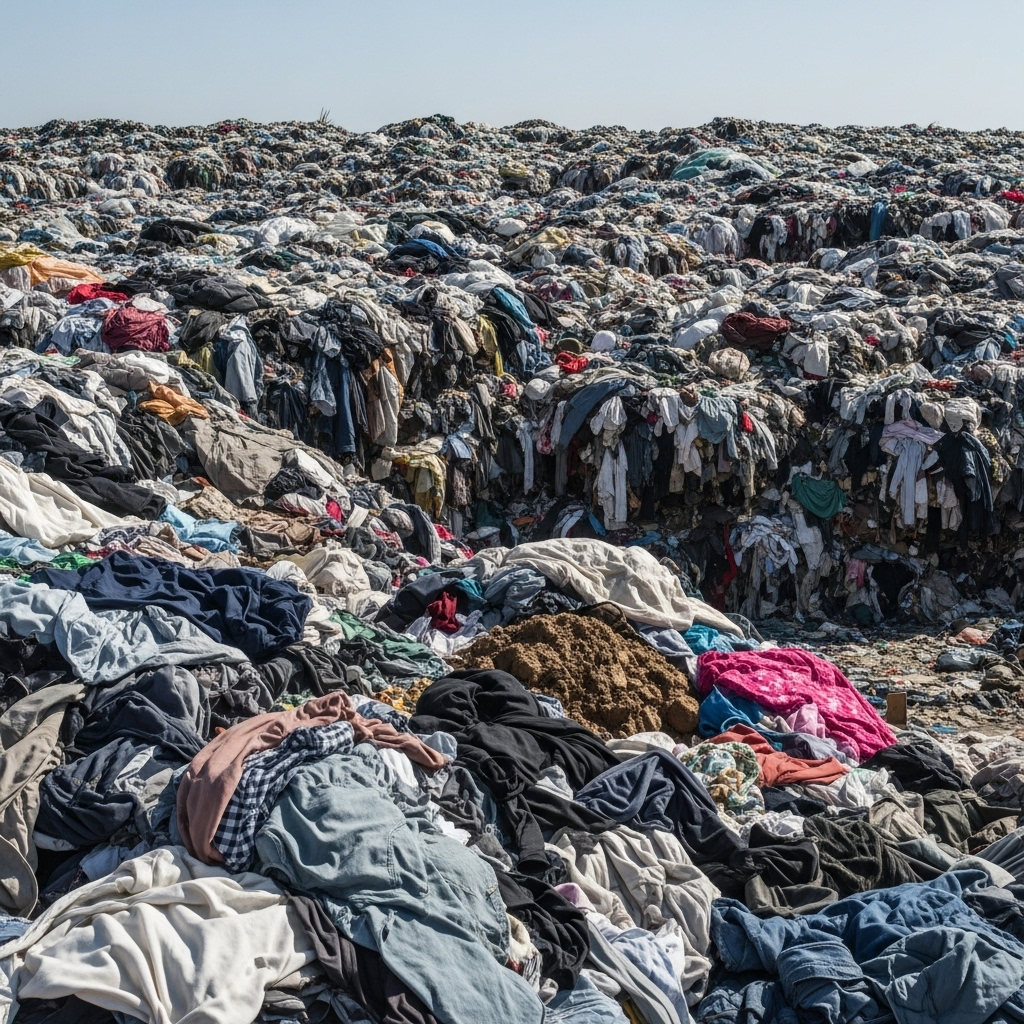
Unsellable garments are trashed and pile up in the landfill where they can clog drainage systems. Fabrics eventually break down into microplastics that leach into the ocean which are swallowed by the fish we eat.
Large volumes of imported clothing can affect local economies by competing with domestic textile industries while supporting secondhand clothing markets. In Kenya, imported donated clothing can cost as low as 5% of a newly made garment. Kantamanto Market in Accra, Ghana is the largest secondhand market in the world, known for managing the overproduction of fashion from the Global North.
The United States is responsible for 15% of global used clothing exports, making it one of the largest contributors to the secondhand clothing supply chain. Exporting excess inventory allows many secondhand organizations to manage large volumes of donations while it encourages new donations that it promotes as an environmentally responsible alternative to disposal.
“Secondhand departments have to clear things out of the stores to make room for the next load of stuff coming in,” Grose said. “There’s so much stuff coming in through the doors, and it’s an indication of how much is flowing through the fashion system and into those thrift stores.”
What we can do
There are several things we can do to reduce textile waste and the surplus of clothes sent to the Global South.
First, stop buying excess clothes and fast fashion. Be more mindful about the clothes that enter and exit your closet. Buy only what you need and what you will use often. Don’t buy excess clothes if you don’t plan to wear them for a long time.
Second, make the most out of your clothes by wearing them for as long as possible. Don’t throw them out after only a few uses. My mom is always telling me how she has shirts that are older than me.
Third, we should only donate clothes in good sellable condition. Don’t donate damaged or stained clothes because it cannot be resold and will only end up in the landfill.
Fourth, next time you’re thinking about donating something, try to give it to someone you know who will wear it. I give away my outgrown clothes to the daughter of my Dad’s friend.
Fifth, if the clothes are not fit to be worn, instead of sending it blindly to thrift stores
try to repurpose it into something useful, like a rag. My brother uses his old stained shirts to clean his car.
For me, I plan to be more discerning before purchasing new clothes and to check clothes for any tears or stains before donating them. I want my donated clothes to be reworn by someone else and not end up in the landfill.
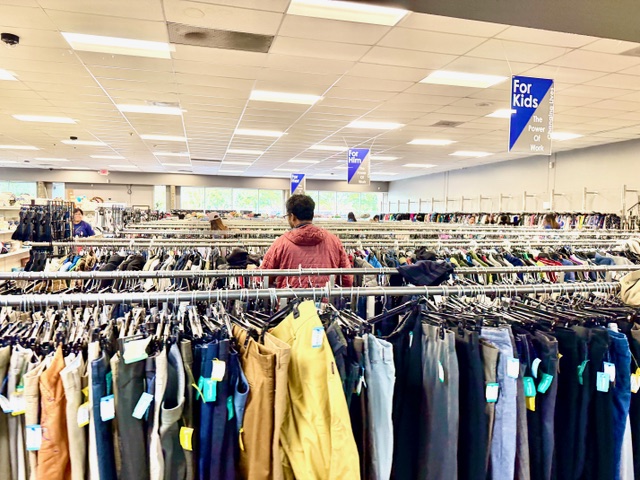
Goodwill store in Silicon Valley

.
.
— Audrey is a teen contributor and an editor of her school newspaper in Silicon Valley.
.