
By Audrey Cabaltica
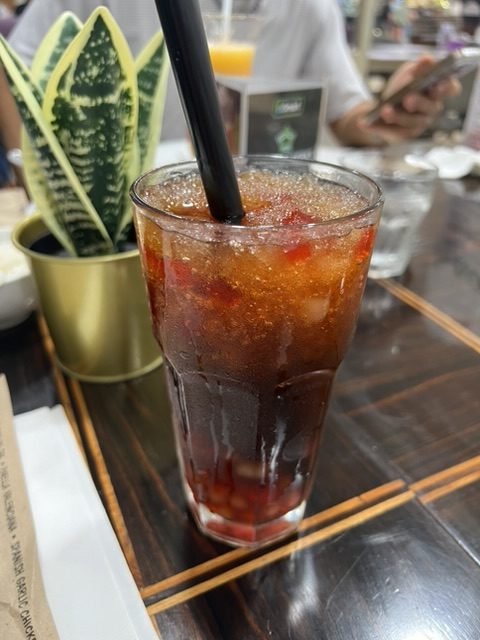
Sago is a popular clear pearl topping found in many Asian drinks such as boba tea and desserts like mango sago pudding. I first became aware of sago in 2023, when I was visiting the Philippines for Christmas. There, I tried sago’t gulaman (a sugary drink) and taho (made with soft tofu and syrup) which both have sago. Since then, it’s become very popular in the US, along with boba.
However, when Americans order sago, they pronounce it as “Say Go”, which is wrong. Sago, pronounced “Sah Goh”, is actually from the Philippines. It frustrates me that many people don’t know its origin and mispronounce it. I have never met a non-Filipino that pronounces sago correctly. Even some of my Filipino-American cousins call it “Say Go”.
Even my friends from Southeast Asia don’t know how to say sago. After field hockey practice, my teammates were telling each other our favorite boba orders. One girl said she didn’t really like boba, and always got another topping instead, which she called “Say Go”. This immediately caught my attention, since sago was once again being mispronounced. Other girls began to agree with her, saying things like “Oh yeah I love ‘Say Go’!” and “That’s the small boba, right?”
I didn’t want to sound like a rude know-it-all or make them feel incompetent, but I also didn’t want them to continue pronouncing it wrongly. I quickly spoke up, saying, “I think it’s pronounced ‘Sah Goh’.”
At my interruption, the conversation instantly stopped. Then everyone looked at me. What came next was a mix of questions.
“Oh? Really?”
“How do you know?”
“Are you sure?”
But the most irritating response was, “I don’t think that’s right.”
I told them sago is from the Philippines and that’s how it’s pronounced. Once again, my teammates shared looks of confusion. One girl said she thought sago was from Taiwan, just like boba. Another girl agreed. Then another said she thought it was from Mainland China. Even though I corrected them, I don’t think they believed me and they probably are still pronouncing it “Say Go”.
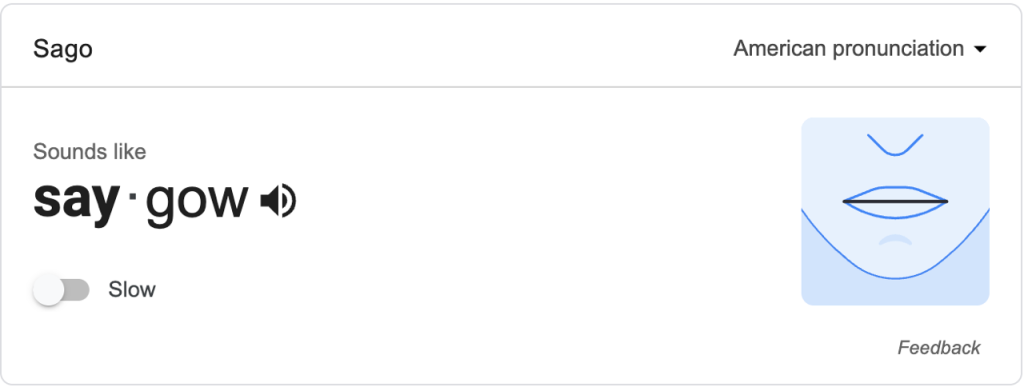
When I got home that night, I asked Google “how to pronounce sago”. I expected Google to give me the correct pronunciation, “Sah Goh”. But shockingly, Google also said “Say-Gow”. I was so confused and clicked on different sites and YouTube videos, trying to see if anyone knew the correct pronunciation. Every source I found said that the pronunciation of sago is “Say Go”!
Everyone around me mispronounces sago, including Google, and it makes me feel like I’m the one who’s wrong, when I’m actually the only one who’s right. When ordering at a boba shop in the US and pointedly asking for “Sah Goh”, the cashier smilingly corrects me and says “You want ‘Say Go’?” At school, when talking about “Sah Goh”, my classmates will say “Don’t you mean ‘Say Go’?”
No one believes me when I correct them, especially when Google doesn’t even have the right pronunciation. It shocks me how quickly something wrong can become normalized, and when it does, everyone just goes with it without question. Sometimes, I catch myself reading the word “sago” as “Say Go”, because I’ve heard that mispronunciation more often than the correct one. But even though everyone is saying “Say Go”, I will continue saying “Sah Goh”. I want people to learn how to say it PROPERLY.
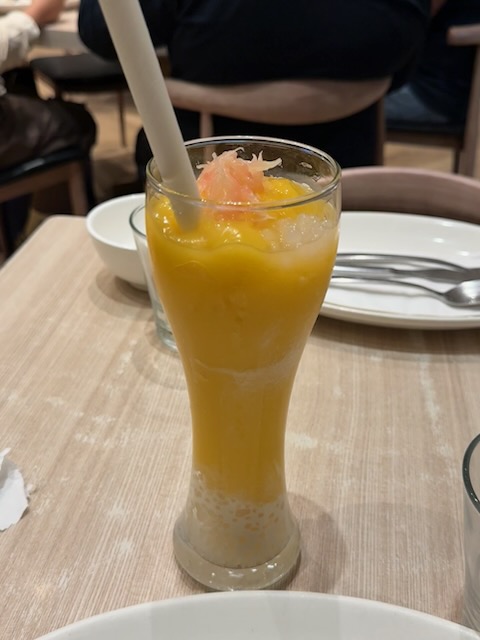
Filipino cuisine and culture is becoming increasingly well known around the world, especially in the US, as seen on TikTok. The Philippines has become a popular tourist destination that many from my school want to go there for their senior trips, instead of the usual Japan or Hawaii. But as our Filipino desserts make their way into the US, various mispronunciations are spreading. And I’m not just talking about sago, but also about ube, which is becoming “Ooh Bay” and halo-halo which is being called “Hay Low Hay Low”.
I am very proud of my culture and can’t stand it when people say sago is from some other Asian country. Sago is from the Philippines. I am Filipino. When I say sago is pronounced as “Sah Goh”, trust me. I am simply trying to educate others about my culture. “Say Go” is not the correct pronunciation, even if everyone thinks it is.
Audrey is a teen journalist and an opinion editor for her school newspaper in Silicon Valley. She writes about trends, pop culture, media, and her experience as a Filipino-American.